Solar Scans
Identify hotspots and defects affecting energy output.
Detect Solar Panel Issues Before They Cause Damage
With the increasing popularity of solar energy as a form of alternative energy, we at Jersey First Infrared Thermographic Services suggest a regular solar panel inspection of your rooftop or ground-mounted system. Over time, solar panels may develop defects, which can affect their functionality and become a safety hazard. This can cause severe drops in energy production and may become a fire hazard if left unaddressed.
How Infrared Thermography Works
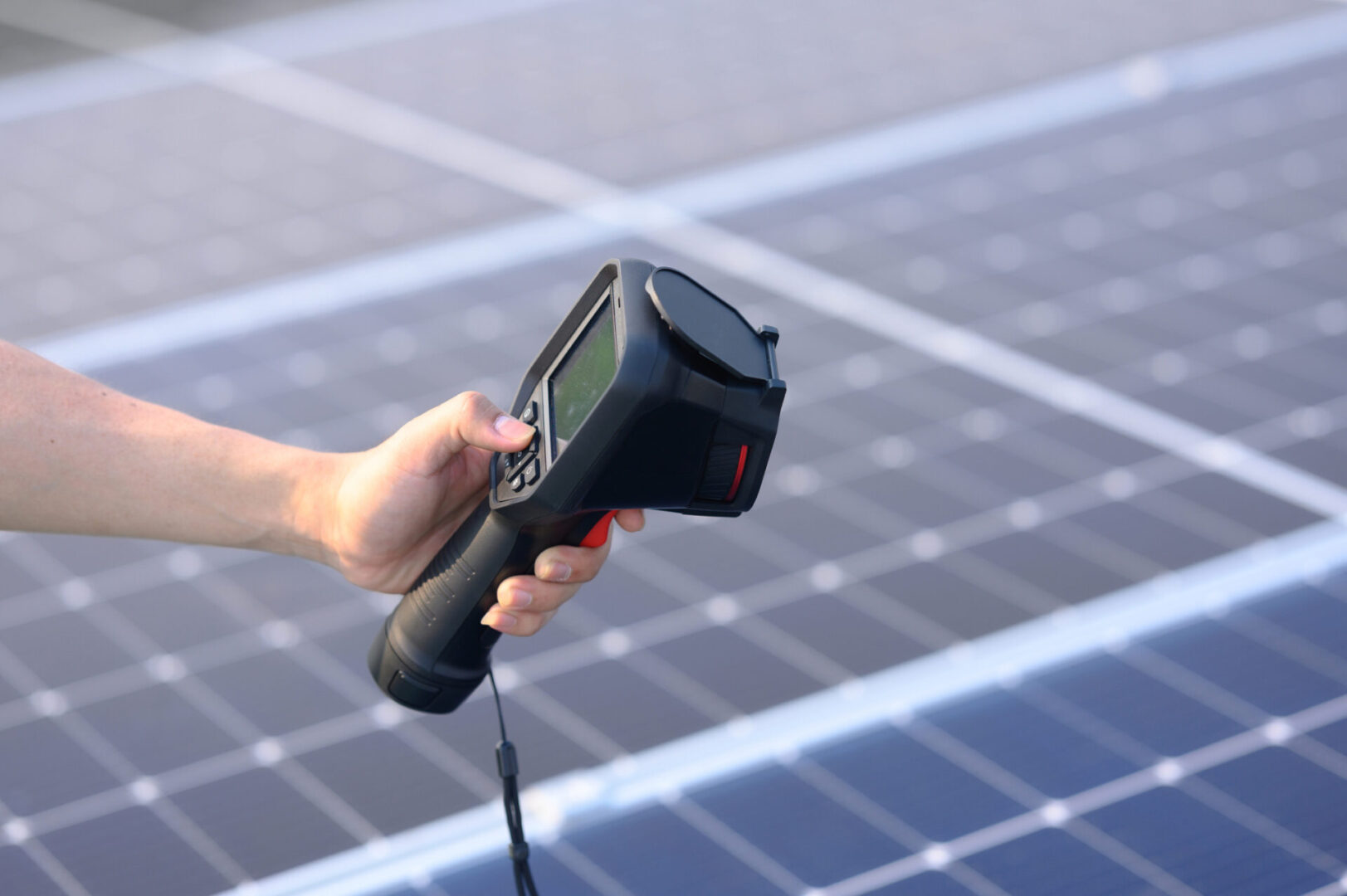
We use thermal imaging cameras for solar panel inspection, as they offer several advantages. Anomalies can clearly be seen on a thermal image during normal operation. These potential problem areas can be repaired before actual problems or failures occur.
Benefits of Thermal Imaging for Solar Panels
Using thermal imaging cameras for solar panel evaluations offers clients several distinct advantages over contemporary evaluations.
Exceptions or anomalies are clearly defined and detailed in the thermal image.
Solar panels are thermally scanned during normal operation under full load. (Most other methods require disruption of service and shut or disconnection of the system.)
Thermal scans allow for considerably larger areas to be evaluated at once, shortening the inconvenience of inspection disruption for your business operations and personnel.
Conducting an infrared inspection on a regular basis would allow for the identification of defects and potential problem areas still under warranty.
Jersey First Infrared Thermographic Services can perform an infrared inspection of the electrical equipment associated with your solar panel installation (breakers, inverters, combiner boxes, etc.).
Documentation will include thermographic (infrared) and conventional photos, temperatures, a list of equipment inspected, and analysis (where appropriate) in a PDF report. Photo documentation will be provided only for problems found.


Thermographic Inspection of Photovoltaic panels
Drones equipped with infrared (IR) cameras are increasingly used to inspect and monitor solar panel systems. This technology provides a fast, safe, and efficient way to identify problems that may reduce energy production or damage the system over time. Unlike traditional inspections, which require technicians to manually access rooftops or large solar farms, drones can scan thousands of panels from the air in a short amount of time.
Infrared cameras work by detecting heat differences on the surface of solar panels. When panels are operating normally, their temperature is relatively even. However, defects often cause certain areas to heat up more than others. These temperature differences, known as thermal anomalies, are clearly visible in infrared images and help inspectors pinpoint issues that are not visible to the naked eye.
Several types of defects can be detected using infrared drone inspections. One common issue is hot spots, which are areas of excessive heat caused by damaged or malfunctioning cells. Hot spots can result from manufacturing defects, physical damage, or long-term wear and can significantly reduce a panel’s efficiency. Cracked or broken cells can also be identified, as they disrupt the electrical flow and create uneven heating patterns. Additionally, drones can detect faulty electrical connections, defective bypass diodes, and shaded or soiled panels, all of which appear as abnormal temperature variations.
Using drones with infrared cameras improves maintenance planning and reduces costs by allowing early detection of problems before they become serious. Overall, this technology helps ensure solar panels operate efficiently, safely, and reliably, making it a valuable tool in modern renewable energy management.
Jersey First Infrared Thermographic Services can perform an infrared inspection of your panels or array and provide a report.
The report will include thermographic (infrared) and conventional photos, temperatures, a list of equipment inspected, and analysis (where appropriate) in a PDF format. Photo documentation will be provided only for problems found.